
From Payment Acceptance to Merchant Enablement: Daniel Nicolescu on the Future of Banking and Digital Payments
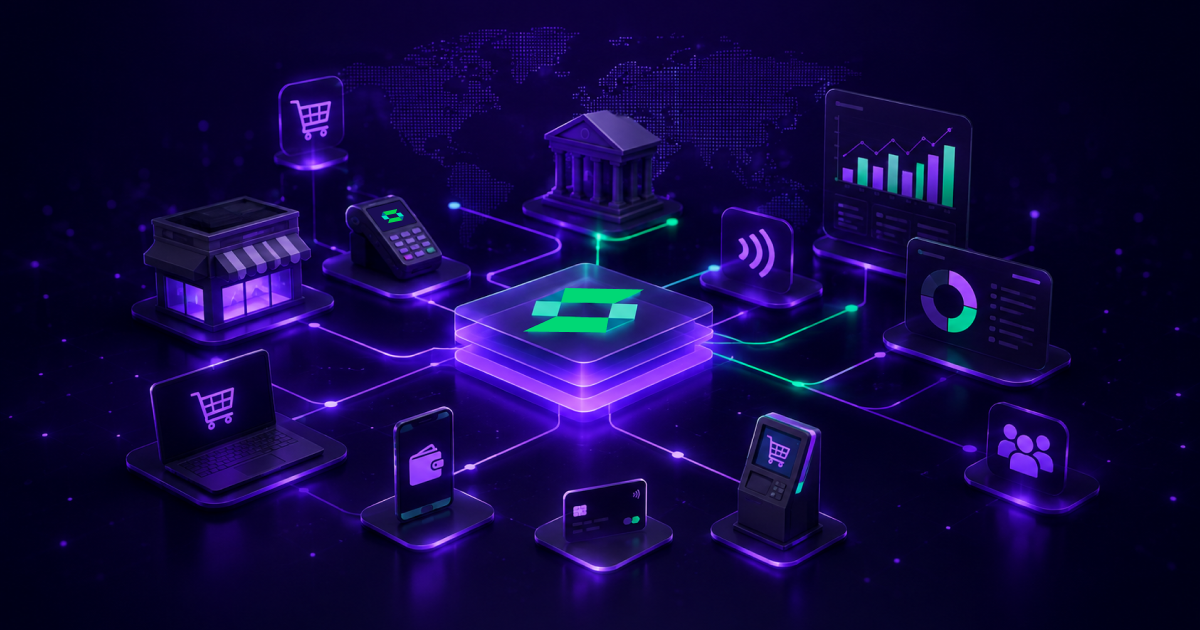
Will banks lose the payments race to Big Tech? Not if they rethink their role. In this exclusive interview, Symphopay's CEO explains why agility, orchestration, and merchant enablement are becoming the industry's new competitive advantage.
The payments industry is undergoing its most significant transformation in decades.
Acquiring, once a key differentiator for banks, has become increasingly standardized. Digital wallets are redefining how consumers pay, instant payments are accelerating across Europe, and merchants expect a seamless experience across physical stores, e-commerce, self-service, and mobile channels. The conversation is no longer about processing transactions. It is about creating value around them.
In an exclusive interview with Banko.ro, Daniel Nicolescu, CEO and Co-Founder of Symphopay, shares his perspective on how banks can remain competitive in this changing landscape, why payment orchestration is becoming a strategic capability, and what the next decade of payments will look like.
Acquiring is no longer the competitive advantage
One of the strongest observations from the interview is that acquiring has evolved into what Daniel describes as "a standardized utility."
"For most merchants, accepting card payments has become a basic functionality today, and competition has largely shifted to costs. This has put pressure on the margins of traditional players, reduced their ability to invest, and created opportunities for new competitors, including at a global scale."
If processing payments alone is no longer enough, where does competitive advantage come from?
According to Daniel, the answer lies in a fundamental shift in mindset.
"We see a transition from payment acceptance to merchant enablement."
Banks that succeed over the next five years will not simply process transactions more efficiently. They will help merchants run better businesses by delivering unified payment experiences, operational visibility, and actionable insights.
The next battleground is the merchant experience
Modern merchants operate across multiple channels simultaneously. Physical stores, e-commerce, self-service terminals, mobile applications, and emerging payment methods all need to work together.
Daniel believes the banks that lead this transformation will be those capable of bringing these fragmented experiences into a single platform.
"The banks that will win will be those that can unify these channels into a single platform, offering a coherent experience, real-time visibility, and centralized operational control."
This represents a significant change in how banks create value. Rather than competing on transaction pricing alone, they can differentiate through better merchant experiences, faster innovation, and more intelligent payment infrastructure.
Transaction data is becoming a strategic asset
Every transaction generates valuable information about customer behaviour, purchasing patterns, conversion rates, and business performance. Yet collecting data alone is no longer enough.
"In the digital economy, data is the new raw material, but analysis is what creates value."
Daniel argues that real-time reporting and AI-powered analytics can transform payments from a cost centre into a business growth engine. Instead of simply showing merchants what happened yesterday, payment platforms should help them understand what is happening now and identify opportunities to improve sales, customer engagement, and operational efficiency.
As he explains:
"The future no longer belongs to the banks that process payments most efficiently, but to those that transform payments into a platform of services and insights for merchants."
Banks do not need to compete with Big Tech
The rise of Apple Pay, Google Pay, digital wallets, and instant payments has led many to question whether banks risk losing ownership of the customer relationship.
Daniel sees the market differently.
Rather than competing directly with Big Tech, banks should focus on becoming more agile and integrating naturally into an expanding payments ecosystem.
"A winning strategy for banks is not to compete with these platforms, but to integrate naturally into the digital ecosystem and give customers the freedom to use the payment methods they prefer."
At the same time, banks retain advantages that technology companies cannot easily replicate: trust, regulatory expertise, risk management, and deep financial relationships.
The challenge is combining those strengths with the speed and flexibility expected in today's digital economy.
Read the full exclusive interview with Banko.ro


