
The digital euro: what it means for merchant acquiring
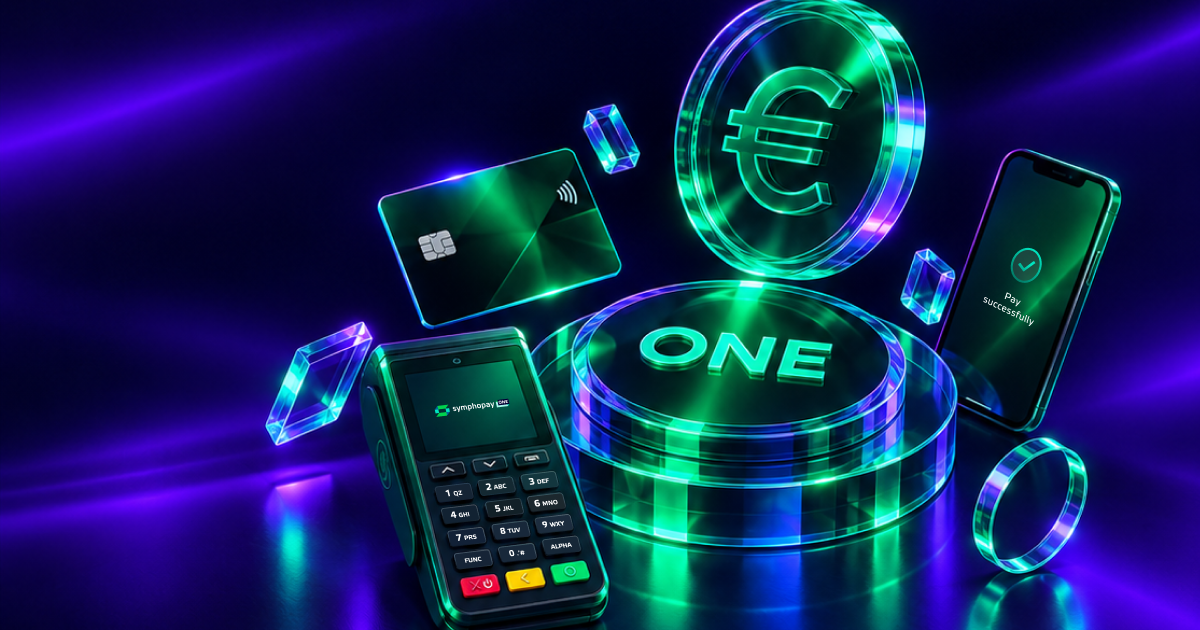
The digital euro is moving from policy towards the checkout. For acquiring banks, the pilot brings a practical question into focus: how to connect another payment method to checkout, reconciliation and reporting within existing payment infrastructure.
On 15 September 2026, the Eurosystem opened the selection process for online and mobile merchants that will participate in the digital euro pilot. Expected to start in the second half of 2027, the pilot will allow selected merchants to test a beta digital euro in realistic payment journeys, working with acquiring payment service providers.
The pilot will test technical functionality, operational processes and the user experience. It does not confirm issuance: the beta digital euro will not have legal tender status, and a final issuance decision remains subject to adoption of the relevant EU legislation. www.ecb.europa.eu
For acquiring, the significance goes beyond the new payment method. It is everything that must happen around it.
Digital euro adoption goes beyond checkout integration
Acceptance must be integrated into checkout and mobile experiences. Merchants must be onboarded and supported. Transactions must be managed, settled, reconciled and refunded. Incidents must be handled. Payment activity must remain visible across all channels.
For a merchant, a payment does not end when the customer completes checkout. It must also appear in reporting, match the relevant settlement and remain traceable if a refund or investigation is needed.
Adopting a new payment method should not mean creating another operational silo.
A connected operating model for merchant acquiring
If the digital euro is issued, banks and payment service providers will need to integrate it alongside cards, instant payments and other payment methods, while preserving:
One merchant relationship: consistent onboarding and support as payment choice expands.
One operational model: connected processes for managing transactions, settlement, reconciliation and refunds.
One view of transactions and performance: visibility across payment methods and channels.
One consistent experience across channels: payment choice that fits into the merchant’s checkout and mobile environments.
This makes integration an acquiring infrastructure question. The objective is to expand what merchants can accept while keeping their payment operations manageable.
Building on existing payment infrastructure with Symphopay ONE
Symphopay ONE provides the platform layer through which banks can connect new payment methods to their existing infrastructure, orchestrate transaction and operational flows, manage merchants across channels and unify reporting, analytics and reconciliation.
That architectural approach supports banks as they develop their acquiring offering: bringing payment channels, partners and merchant operations together while building on existing infrastructure and relationships.
The digital euro may introduce a new payment rail. It should not introduce a new merchant silo.
Discover Symphopay ONE to learn about its payment orchestration, merchant management and payments intelligence capabilities.
If your team is reviewing how to connect payment channels and centralise merchant operations, request a Symphopay ONE demo to discuss your acquiring priorities with our team.


